

Duin sociis natoque penatibus et magnis dis parturient montes, nascetur ridiculus mus. Sed eget ligula quis nisl consequat iaculis sed quis justo. Vivamus euismod sollicitudin condimentum. Nunc et tristique sem. Nullam sem nulla, semper eget commodo sed, ornare sit amet lectus. Sed est nisi, sodales sed tincidunt.ulus mus. Sed eget ligula quis nisl consequat iaculis sed quis justo. Nunc et tristique sem. Nullam sem nulla, semper eget commodo sed, ornare sit amet lectus. Sed est nisi, sodales sed tinciduntulus mus. Sed eget ligula quis nisl consequat iaculis.


Lorem ipsum dolor sit amet, consectetur adipiscing elit. Aenean in nisi eu sapien viverra vestibulum sit amet a neque. Praesent accumsan, dui et fringilla condimentum, sapien risus tempor est, eu auctor orci orci non neque. In hac habitasse platea dictumst. Curabitur lacinia consequat ante, vel placerat leo molestie vitae.
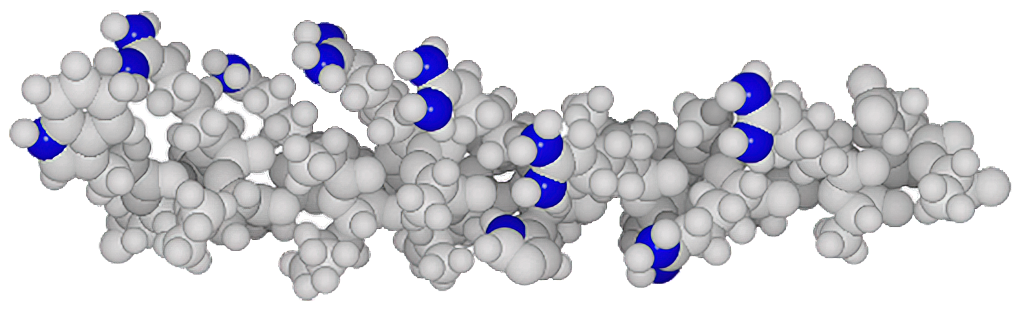
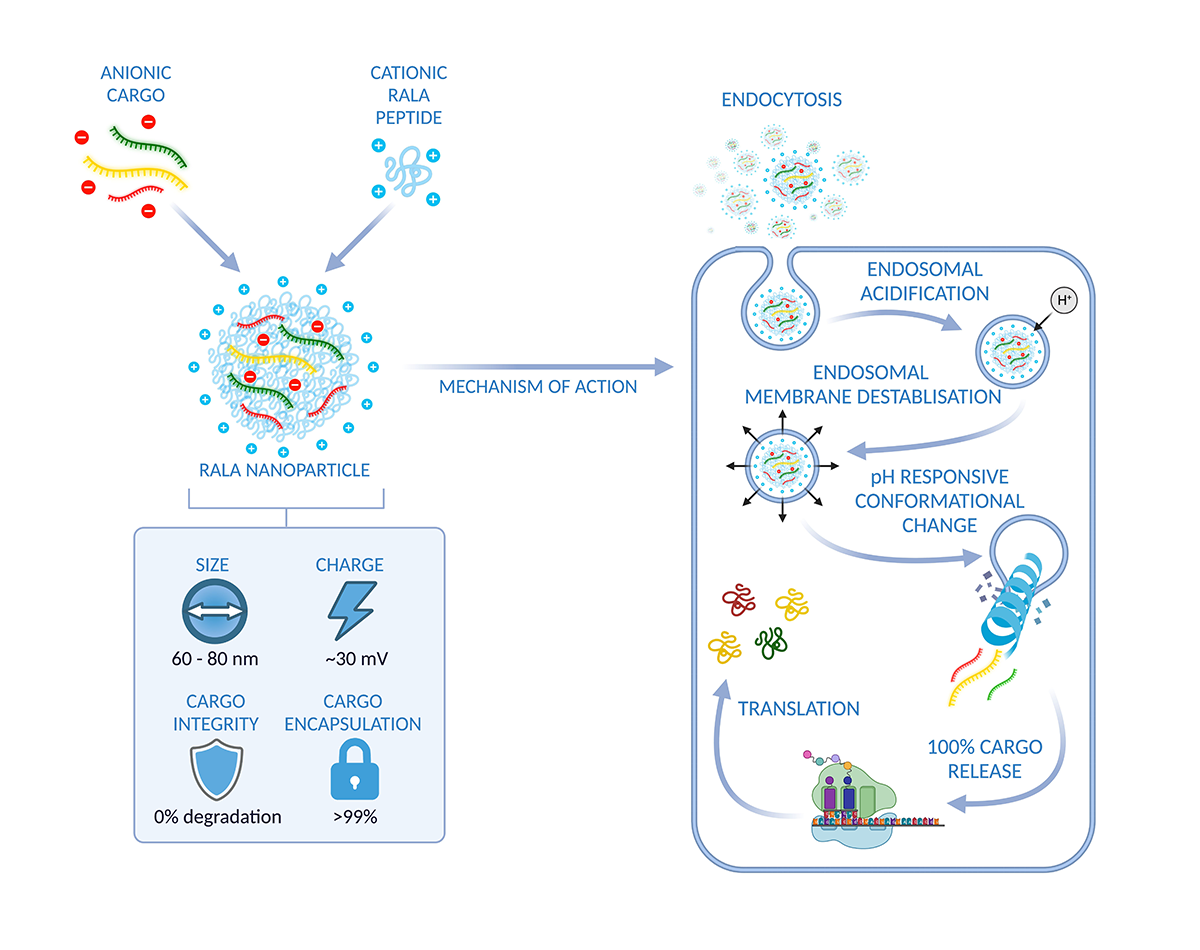
RALA can rapidly condense all nucleic acids (irrespective of size) and other anionic small molecules (such as chemotherapies, cyclic dinucleotides, nucleotides etc.) to form stable nanoparticles that readily cross cell membranes, escape endosomes to release the cargo with high transfection efficiency and low associated toxicity.


SCALABLE
Can condense multiple nucleic acids or anionic small molecules into nanoparticles with industry acceptable characteristics at a clinical relevant scale

EFFICIENT
Cellular delivery of nucleic acids that outperforms current delivery platforms in vitro. RALA nanoparticles are capable of entering cells, disrupting endosomes, and releasing the cargo for maximal effect

RESISTANT
Physiologically stable nanoparticles with no protein binding, nanoparticle disassembly, or nanoparticle aggregation following exposure to physiological concentrations

SAFE
Can condense multiple nucleic acids or anionic small molecules into nanoparticles with industry acceptable characteristics at a clinical relevant scale

THERAPEUTIC
Cellular delivery of nucleic acids that outperforms current delivery platforms in vitro. RALA nanoparticles are capable of entering cells, disrupting endosomes, and releasing the cargo for maximal effect

STABLE
Physiologically stable nanoparticles with no protein binding, nanoparticle disassembly, or nanoparticle aggregation following exposure to physiological concentrations
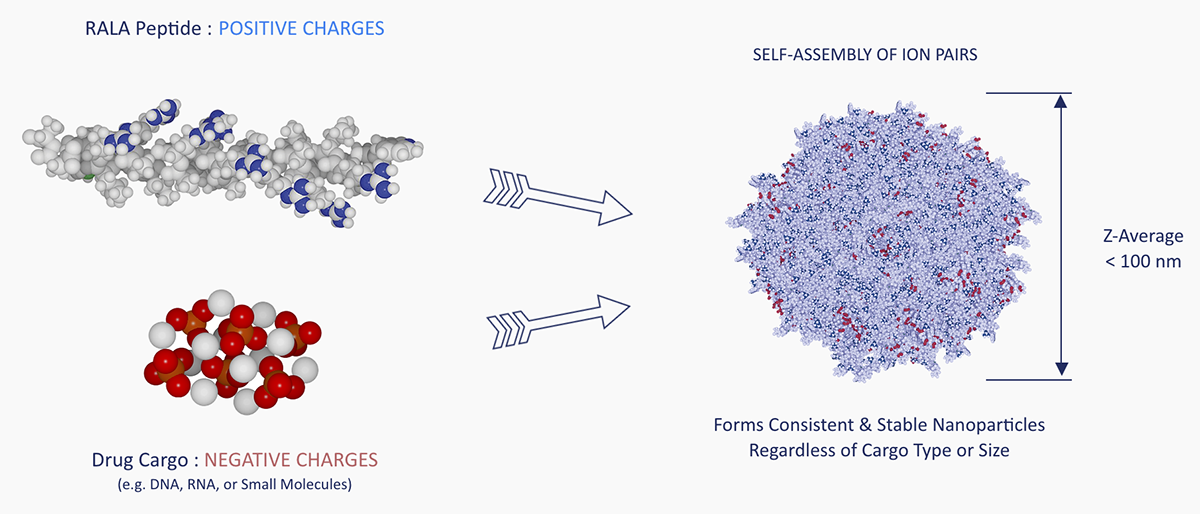
Ionic interactions between peptide and cargo allow nanoparticles to self-assemble with drug cargo making formulation simple, easy, and repeatable.
Positive (cationic) peptide with Negative (anionic) cargo.
The ionic bond being formed with the cargo is typically both bidentate and bifurcated (two ionic interactions at a site with two or more sites forming bond). This leads to extremely strong bonding and unsurpassed stability of RALA nanoparticles.
The net cationic nanoparticles now possess the ideal physiochemical characteristics and are readily taken up by cells, crossing the cell membrane with ease and being taken into cellular compartments known as endosomes.
The reduction in pH inside the endosome triggers a conformational change in the RALA peptide, enabling fusion with the endosomal membrane and subsequent proteolytic cleavage to release the cargo at the intended site of action.